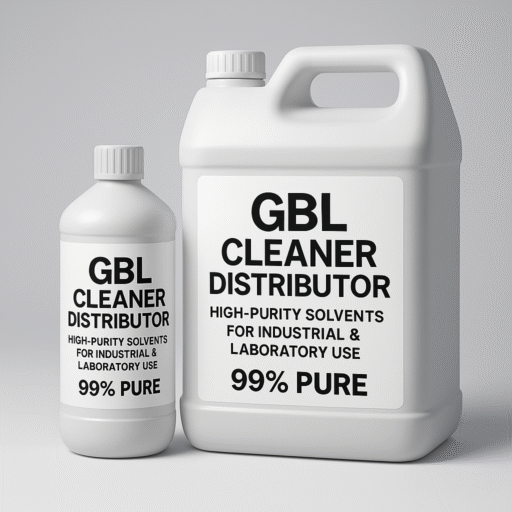
GBL (gamma-Butyrolactone)
Introduction
Gamma-butyrolactone (GBL) is a high-value industrial solvent that is also metabolised to gamma-hydroxybutyrate (GHB) in humans. Its dual nature legitimate industrial use and potential diversion to non-medical use creates important public-health, regulatory, and forensic challenges.
This article summarises clinical toxicology, compares international regulatory approaches, and analyses how online search queries and marketplace signals (for example search phrases such as “Buy GBL online”, “GBL wheel cleaner”, or “GBL (gamma-Butyrolactone) 1L”) can be used by researchers and policymakers to monitor diversion and inform interventions.
What is GBL? Chemical and Public-Health Context
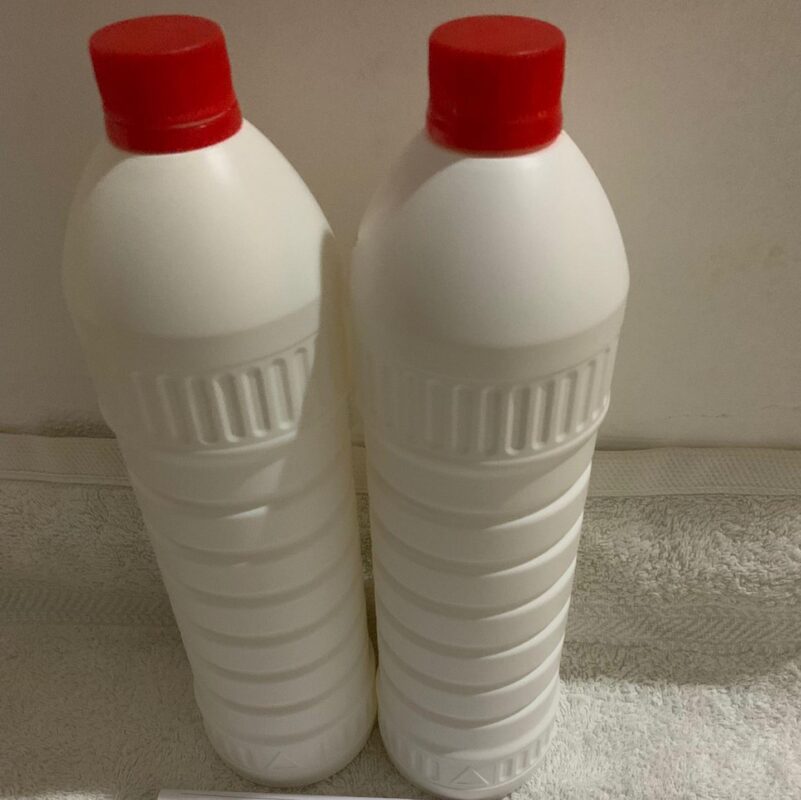
GBL is an industrial lactone used in some manufacturing and laboratory contexts. In humans it is converted to GHB, a central-nervous-system depressant with documented risks including:
Buy Now on gblcleanerdistributor.com
- Respiratory depression
- Loss of consciousness
- Fatal overdose (especially when combined with alcohol or other depressants)
Epidemiological studies and poison-centre reports highlight frequent emergency presentations associated with GHB/GBL intoxication.
Clinical Toxicology: Risks and Presentations
Key clinical points from peer-reviewed reviews and poison-centre summaries include:
- Rapid onset of sedation
- Respiratory compromise risk requiring supportive care
- Unpredictable dose–response in recreational contexts
- Severe withdrawal in dependent users
⚕️ Management is supportive; no specific antidote exists.
International Regulatory Landscape
GBL is controlled differently across jurisdictions:
- United States – Listed as a DEA List I chemical (precursor control).
- United Kingdom – Regulated under the Misuse of Drugs Act; licensing required.
- Australia – Classified as a controlled substance under federal scheduling.
- European Union – Regulatory approaches vary; precursor and licensing models predominate.
These frameworks influence legitimate supply chains and shape how illicit online markets operate.
Using Online Search & Marketplace Signals for GBL Research
Researchers can monitor public signals responsibly to detect diversion trends, without facilitating procurement. Examples include:
- Search query data — Phrases like “Buy GBL online” or “GBL wheel cleaner” as interest indicators
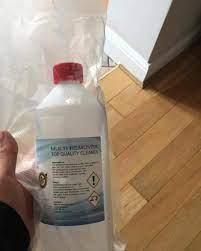
- Marketplace language — Packaging claims or coded descriptions visible in public domains
- Cross-referencing harms — Emergency admissions, seizures, and forensic reports aligned with search trends
Ethical & Safety Considerations for Researchers
- Ensure de-identification of any data.
- Seek IRB/ethics approval for human-data studies.
- Avoid amplifying procurement-related content.
- Collaborate with poison centres, forensic labs, and law enforcement for surveillance studies.
Implications for Policy and Public Health
Integrating toxicology data, regulatory analysis, and online surveillance can:
- Guide harm-reduction strategies in nightlife and community health.
- Support clinician training on GHB/GBL presentations.
- Inform precursor control policies.
- Allocate resources for forensic monitoring and clinical response.
Conclusion
GBL presents a dual-use challenge at the intersection of industry, toxicology, and regulation. Ethical analysis of online signals — without enabling access — helps researchers and policymakers anticipate risks, target outreach, and strengthen public-health protections.